Easy Chimichurri Sauce Recipe – Zesty & Fresh
Chimichurri sauce recipe, ah, the vibrant, herbaceous magic that transforms the ordinary into the extraordinary! If you’ve ever experienced that burst of fresh, tangy flavor drizzled over perfectly grilled steak, you know exactly what I’m talking about. This isn’t just any sauce; it’s an Argentinian icon, a culinary celebration of simple, fresh ingredients that sing in harmony. What makes this chimichurri sauce recipe so universally loved? It’s the incredible balance – the zesty kick of vinegar, the aromatic punch of garlic and oregano, and the bright, fresh herbaceousness of parsley and cilantro. It’s incredibly versatile, adding a lively zest to everything from grilled meats and roasted vegetables to even fish. Prepare to elevate your next meal with this essential chimichurri sauce recipe.
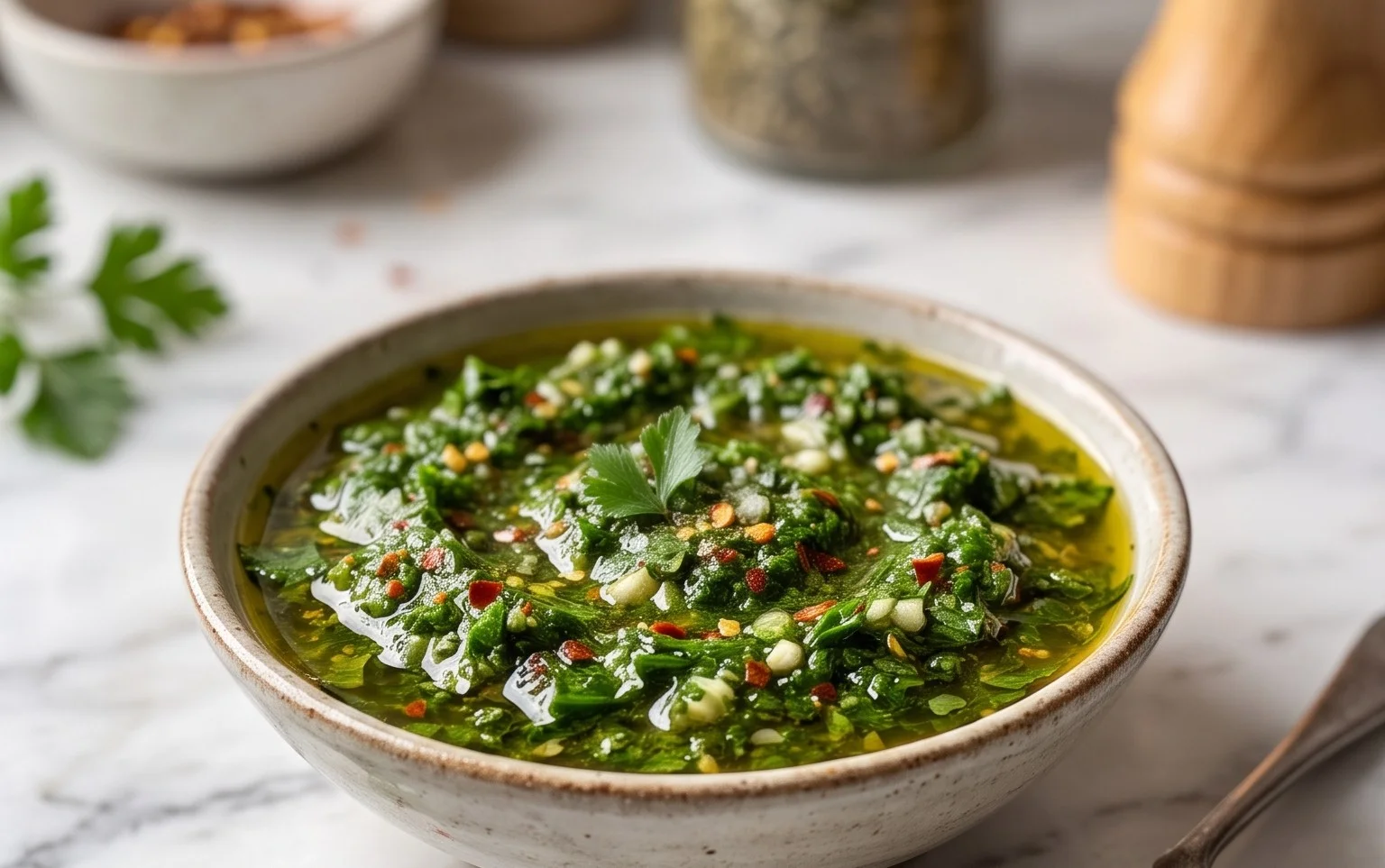
Chimichurri Sauce Recipe
There are few sauces as versatile, vibrant, and downright delicious as chimichurri. Hailing from Argentina and Uruguay, this herbaceous, zesty condiment is traditionally served with grilled meats, particularly steak, but its bright, punchy flavor profile makes it a fantastic accompaniment to almost anything. From roasted vegetables and grilled fish to chicken and even as a dip for crusty bread, chimichurri elevates everyday meals into something special. What makes it so special? It’s the incredible freshness of the herbs, the subtle bite of garlic and onion, and the perfect balance of acidity from the vinegar and lemon juice, all brought together by good quality olive oil.
Making chimichurri is incredibly simple, requiring no cooking whatsoever. It’s a true “chop and mix” affair, making it an ideal recipe for begin extractners or for those days when you want maximum flavor with minimum effort. The key to a truly exceptional chimichurri lies in using the freshest ingredients possible. Don’t skimp on the quality of your herbs and olive oil, as they are the stars of this show.
Ready to unlock a world of flavor? Let’s get started.
Ingredients:
Instructions:
Here’s how to bring this bright and beautiful sauce to life:
Conclusion:
And there you have it! This chimichurri sauce recipe is an absolute game-changer for your kitchen. Its vibrant, herbaceous flavor is incredibly versatile, transforming simple grilled meats, roasted vegetables, or even a humble piece of bread into something extraordinary. The beauty of this sauce lies in its freshness and the perfect balance of tangy vinegar, pungent garlic, and aromatic herbs. I truly encourage you to give it a try; it’s surprisingly easy to make and the results are consistently impressive, adding a burst of authentic South American flair to any meal.
Don’t limit yourself! This chimichurri is fantastic drizzled over steak, chicken, beef, fish, or even grilled halloumi. It’s also a delicious marinade or a zesty topping for roasted potatoes, asparagus, or corn on the cob. Feel free to experiment with your favorite herbs – a little fresh oregano or even some chives can add a delightful twist. The possibilities are truly endless, and the more you make it, the more you’ll discover its incredible culinary potential.
Frequently Asked Questions:
Q: How long does chimichurri sauce last in the refrigerator?
A: Properly stored in an airtight container in the refrigerator, this chimichurri sauce recipe will typically stay fresh for about 3-5 days. The olive oil helps to preserve it, but it’s best enjoyed fresh for the most vibrant flavor.
Q: Can I make this chimichurri sauce recipe ahead of time?
A: Absolutely! In fact, letting the chimichurri sit for at least 30 minutes before serving allows the flavors to meld together beautifully. You can even make it a day in advance for an even richer taste.
Q: My chimichurri seems a bit too oily. What can I do?
A: You can adjust the ratio of olive oil to vinegar slightly if you find it too oily for your preference. However, the olive oil is essential for its texture and flavor. You can also let it sit for a few minutes and then carefully spoon off any excess oil that separates at the top.
Chimichurri Sauce Recipe
A vibrant and herbaceous Argentinian sauce perfect for grilling.
Ingredients
-
1 cup fresh Italian flat-leaf parsley (, leaves only, stems removed)
-
1/4 cup fresh cilantro (, leaves only, stems removed)
-
1/4 cup fresh oregano (, leaves only, stems removed)
-
1/3 cup roughly chopped red onion or shallots
-
3 cloves garlic (, peeled)
-
1/2 teaspoon red pepper flakes
-
1/2 cup extra-virgin extract olive oil
-
1/4 cup red grape juice vinegar
-
3 tablespoons fresh lemon juice
-
1 teaspoon kosher salt
Instructions
-
Step 1
Combine parsley, cilantro, oregano, red onion or shallots, garlic, and red pepper flakes in a food processor. -
Step 2
Pulse until finely chopped, but do not puree. -
Step 3
Transfer mixture to a bowl. -
Step 4
Whisk in olive oil, red grape juice vinegar, lemon juice, and kosher salt. -
Step 5
Stir until well combined. -
Step 6
Let sit for at least 10 minutes to allow flavors to meld.
Important Information
Nutrition Facts (Per Serving)
It is important to consider this information as approximate and not to use it as definitive health advice.
Allergy Information
Please check ingredients for potential allergens and consult a health professional if in doubt.