Calabacitas Recipe – Easy Mexican Squash Dish
Calabacitas, oh, the simple brilliance of calabacitas! If you’ve ever craved a taste of pure, unadulterated comfort that bursts with fresh, vibrant flavors, then you’ve likely encountered this beloved Mexican classic. It’s more than just a side dish; it’s a heartwarming embrace on a plate, a culinary cornerstone that brings families together and transports you straight to the heart of Mexican home cooking. What is it about this humble medley of tender zucchini, sweet corn, and often a kiss of chile that makes it so universally adored? It’s the perfect balance – the slight sweetness of the corn playing off the mild, earthy zucchini, all elevated by a gentle warmth from roasted peppers and the creamy richness of cheese. This calabacitas recipe isn’t just about following steps; it’s about capturing that soulful essence, that effortless deliciousness that makes us come back for more, time and time again. Get ready to discover why calabacitas holds such a special place in so many hearts (and stomachs!).
Calabacitas: A Taste of Mexican Summer
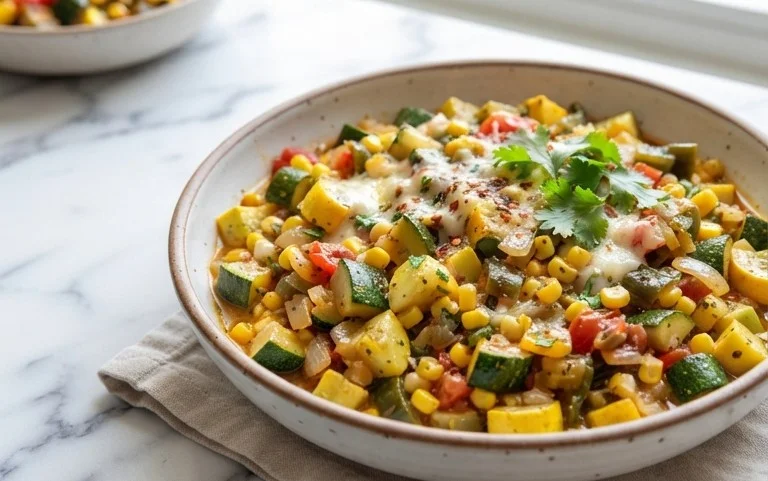
Calabacitas is more than just a dish; it’s a vibrant celebration of summer’s bounty, a staple in Mexican cuisine that brings a burst of fresh flavors and delightful textures to any table. The name itself, “calabacitas,” translates to “little squashes” in Spanish, hinting at the star ingredients of this incredibly versatile and delicious preparation. Typically made with tender zucchini and yellow squash, it’s often enhanced with sweet corn, aromatic peppers, and juicy tomatoes, all simmered together until perfectly tender. This dish is incredibly forgiving and adaptable, making it a fantastic option for both seasoned cooks and begin extractners alike. It’s wonderful as a light and healthy side dish, served alongside grilled meats or fish, or it can be the star of a vegetarian meal, perhaps tucked into warm tortillas for a delightful taco filling. I love how the simple ingredients come together to create such a satisfying and flavorful experience. The natural sweetness of the corn and squash, combined with the subtle heat from the peppers and the savory depth of the garlic and spices, create a harmonious blend that is truly irresistible.
Ingredients:
Cooking Instructions:
Sautéing the Aromatics
Building the Flavor Base
Adding the Heart of the Dish
Simmering to Perfection
Finishing Touches and Serving
Conclusion:
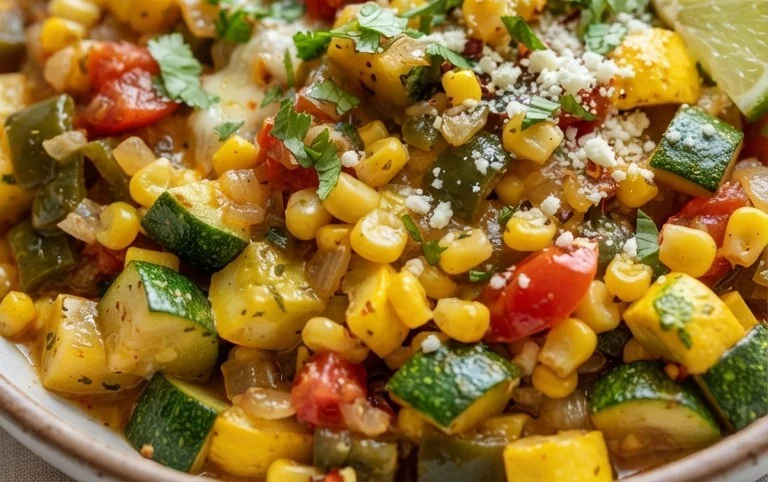
And there you have it! This Calabacitas recipe is a true gem, offering a delightful balance of fresh flavors and satisfying textures. It’s incredibly versatile, allowing you to adapt it to your pantry and preferences. Whether you’re looking for a quick weeknight side dish or a flavorful addition to a larger meal, this recipe delivers. The vibrant green of the zucchini and poblano peppers, complemented by the sweetness of corn and the savory depth of onion and garlic, creates a dish that’s both healthy and incredibly delicious. I truly encourage you to give this Calabacitas a try – you won’t be disappointed!
This dish shines as a side to grilled meats, chicken, or fish. It’s also fantastic served alongside tacos, enchiladas, or huevos rancheros for a complete Mexican-inspired feast. For a vegetarian option, serve it over rice or quinoa, or even stuffed into bell peppers. Don’t be afraid to get creative with variations! You can add a pinch of cumin for warmth, a dash of chili powder for a little kick, or even some crum extractbled cotija cheese for a salty finish. Some people even like to stir in a dollop of crema or sour cream at the end for extra richness. The beauty of Calabacitas is its adaptability!
Frequently Asked Questions:
What is the best way to cut the calabacitas?
For this recipe, I prefer to slice the zucchini into half-moons or quarter-moons, about 1/4 inch thick. This ensures they cook evenly and retain a slight bite. The poblano peppers are typically diced or thinly sliced after seeding and deveining.
Can I make this recipe ahead of time?
Calabacitas is best enjoyed fresh when the vegetables are crisp-tender. However, you can chop all your vegetables in advance and store them separately in the refrigerator. You can also pre-cook the onions and peppers and then add the zucchini and corn later when you’re ready to finish the dish.
What can I substitute for poblano peppers?
If you can’t find poblano peppers or prefer a milder flavor, you can substitute them with green bell peppers. For a spicier kick, consider using jalapeños or serrano peppers, adjusting the quantity to your heat preference.
Calabacitas
A flavorful and easy Mexican squash and corn dish, perfect as a side or light main course.
Ingredients
-
1 tablespoon olive oil
-
1 small onion, diced
-
1 poblano pepper, diced
-
1 jalapeño pepper, diced
-
1 ½ cups yellow corn
-
2 Roma tomatoes, diced
-
1 large zucchini, sliced into ¼-inch thick quartered pieces or half moons
-
1 large yellow squash, sliced into ¼-inch thick quartered pieces or half moons
-
3 cloves garlic, minced
-
2 teaspoons kosher salt
-
¼ teaspoon freshly ground black pepper
-
¼ teaspoon dried oregano
-
¼ teaspoon ground cumin
-
¼ cup water
-
½ cup shredded cheddar cheese
Instructions
-
Step 1
Heat olive oil in a large skillet or pot over medium heat. -
Step 2
Add the diced onion, poblano pepper, and jalapeño pepper. Cook until softened, about 5-7 minutes. -
Step 3
Stir in the minced garlic, dried oregano, and ground cumin. Cook for 1 minute until fragrant. -
Step 4
Add the sliced zucchini and yellow squash to the skillet. Cook for about 5-7 minutes, stirring occasionally, until the squash is tender-crisp. -
Step 5
Stir in the corn, diced tomatoes, salt, pepper, and water. Bring to a simmer and cook for another 5 minutes, or until most of the liquid has evaporated and the vegetables are tender. -
Step 6
Remove from heat and sprinkle the shredded cheddar cheese over the top. Cover for a minute to allow the cheese to melt.
Important Information
Nutrition Facts (Per Serving)
It is important to consider this information as approximate and not to use it as definitive health advice.
Allergy Information
Please check ingredients for potential allergens and consult a health professional if in doubt.